The Stories We Choose Shape the World We Share
Hi there,
I often invite you to connect with your inner story truth and find the courage to express it. Today, I want to honour that invitation myself.
As a German, a producer, an educator, a coach and the founder of Digital Dolphins, I feel a responsibility to speak openly about what I stand for.
I oppose far-right extremism. I stand for democracy, human dignity and a society in which people can belong without diminishing someone else’s humanity.
The provisional result of the Sachsen-Anhalt state election on 6 September gave the AfD 43.8% and the CDU 17.2%, according to MDR/Tagesschau’s report updated on 8 September. I do not pretend to know why every individual cast their vote as they did. I do believe moments like this ask those of us who work with stories to examine what stories can do.
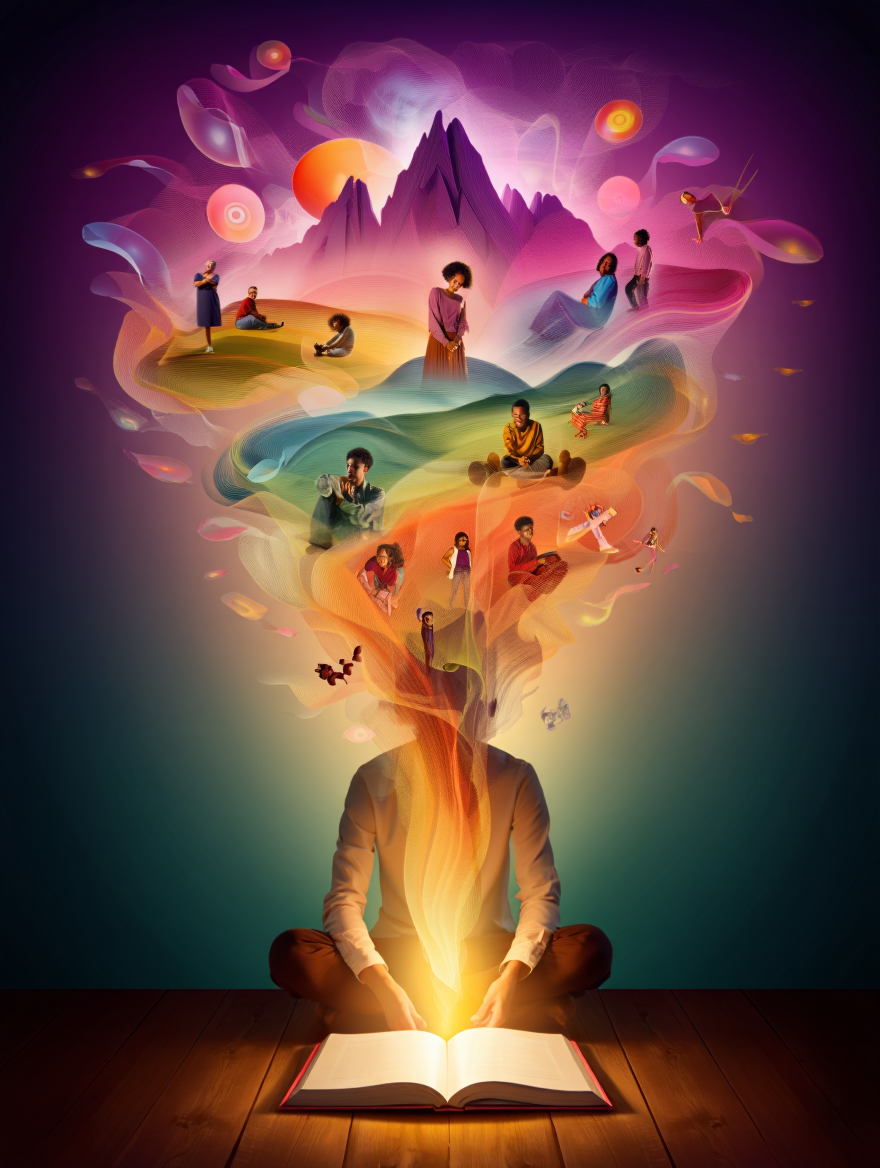
Stories connect emotion with meaning, identity and belonging. That is part of their beauty, and it is also where responsibility begins.
A story can take uncertainty and give it the shape of fear. It can point towards a person or a group and say: they are the reason you feel unsafe. Repeated often enough, that story can divide the world into “us” and “them”, making exclusion feel reasonable and other people’s dignity easier to overlook.
Stories can also make dignity tangible. A truthful, specific story about one human being—their choices, contradictions, hopes and ordinary life—can interrupt a stereotype. It can remind us that solidarity is something lived between people.
Stories contribute to the culture in which we meet, make decisions and treat one another. The stories we share can help us build the trust and solidarity that democratic life needs.
In my teaching and coaching, I often invite people to connect with their inner story truth. Increasingly, I feel that this also means recognising the values we are willing to express publicly. Authenticity includes responsibility for the impact of our words.
I also want to be precise: democratic conservative views belong within democratic debate. Far-right extremism is different, and I oppose it.
I believe storytelling carries a responsibility: to tell the truth, protect human dignity and help us see one another.
If you feel comfortable, reply and tell me about a real encounter that helped you see someone beyond a stereotype. What changed for you through that encounter?
Thank you for reading The Narrative North Star. Until next time, may these stories and signals support you in seeing more clearly, creating more consciously, and shaping the future with intention.
With warmth,
Bettina
Digital Dolphins - Storytelling for Impact